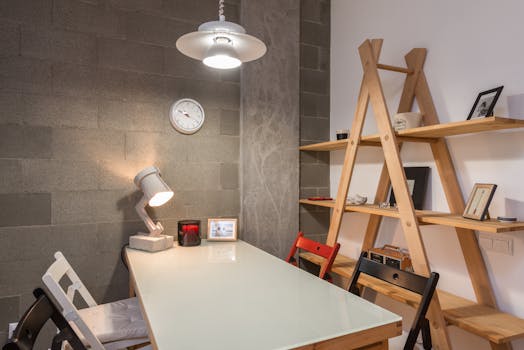

Ever feel like your office corners are just… wasted space? That awkward L-shape, perpetually collecting dust bunnies or housing a forgotten plant? We’ve all been there. For a long time, those areas felt destined for nothing more than a filing cabinet or a seldom-used bookshelf. But what if I told you that this often-overlooked real estate could be the key to unlocking a more dynamic, ergonomic, and frankly, more interesting workspace? The idea of a corner standing desk isn’t just about squeezing furniture into an odd spot; it’s about reimagining how we interact with our environments and ourselves throughout the workday. It prompts us to ask: are we truly maximizing our potential, or are we just settling for what’s easiest?
Reclaiming the L-Shape: More Than Just Space-Saving
The most immediate appeal of a corner standing desk is, naturally, its ability to fit into otherwise awkward spaces. Think about those tighter home offices, the compact studios, or even just the desire to break up the monotony of a straight wall of furniture. But beyond mere spatial efficiency, this desk configuration offers a surprisingly potent blend of benefits that can fundamentally shift your work habits. It encourages a different kind of engagement with your workspace, inviting movement and flexibility in ways a traditional desk might not.
One thing I’ve observed is that the very act of placing a desk in a corner can subtly alter our perception of the space. It can create a sense of a dedicated “zone” or a personal command center, especially when paired with standing functionality. This can be particularly impactful for those who find themselves easily distracted or who benefit from a clear mental separation between work and leisure. It’s not just about where you work, but how the space guides your behavior.
The Ergonomic Pivot: Standing Tall in Unexpected Places
The standing desk revolution has undeniably changed how many of us approach our daily grind. But how does this translate when the desk itself is designed for a corner? The implications are fascinating. For starters, a corner standing desk can make standing more accessible in areas where a standard freestanding unit might feel cumbersome or out of place. It allows for a more integrated, perhaps even aesthetically pleasing, addition to a room’s existing layout.
Consider the benefits of alternating between sitting and standing. This is well-documented for improving circulation, reducing back pain, and boosting energy levels. A corner standing desk facilitates this by providing a natural, comfortable spot to transition. You’re not fighting for space; you’re working with it. This can lead to longer periods of standing comfortably, as you’re less likely to feel like you’re encroaching on the rest of your room. The visual flow is often less interrupted, which, in my experience, can make a surprising difference to one’s overall comfort and perceived freedom of movement.
Boosting Productivity: A New Perspective on Focus
Could the humble corner standing desk actually be a catalyst for enhanced focus? It’s an intriguing thought. By its very nature, a corner position can offer a sense of enclosure and reduced visual distractions from the wider room. When you add the ability to stand, you introduce a physical element that can help combat that mid-afternoon slump. The gentle shift in posture can re-engage your mind and body, preventing that sluggish feeling that often derails concentration.
Furthermore, the unique shape of some corner standing desks can create distinct zones for different tasks. Perhaps one side is perfect for your monitor and keyboard for focused work, while the other, slightly more open area, could be ideal for referencing documents or taking calls. This spatial segmentation, facilitated by the corner design, might just be the subtle nudge you need to stay on task and work more efficiently. It’s a bit like having your own private nook within a larger space, optimized for both physical well-being and mental acuity.
Design and Versatility: Beyond the Utilitarian
Let’s not forget the aesthetic dimension. Corner standing desks are no longer confined to clunky, purely functional designs. Manufacturers are increasingly offering sleek, modern options that can genuinely enhance a room’s décor. From minimalist floating designs to more robust L-shaped units with integrated shelving, there’s a surprising amount of variety available. This versatility means you’re not sacrificing style for functionality.
You might be surprised at how seamlessly a well-chosen corner standing desk can integrate into a living room, a bedroom, or even a dedicated home office. It can transform an underutilized nook into a vibrant, functional workspace. This adaptability is key in today’s multi-functional living and working environments. It’s about making furniture work for you, not just occupying space.
Addressing the Nuances: What to Consider
While the advantages are compelling, it’s always wise to approach any new workspace solution with a critical eye. What are the potential drawbacks or considerations when opting for a corner standing desk?
Size and Fit: Measure meticulously! Corners can be deceiving, and ensuring enough clearance for both the desk and comfortable movement around it is paramount. Consider not just the desk’s footprint but also the radius of your standing and sitting arcs.
Cable Management: As with any standing desk, managing cables can be a challenge. The corner configuration might present unique opportunities or hurdles for routing and concealment.
Ergonomics for All: While standing is beneficial, it’s not a panacea. Ensure the desk offers proper height adjustment for both sitting and standing positions, and consider supplementary ergonomic accessories like anti-fatigue mats.
Material and Stability: Look for sturdy construction. A desk that feels wobbly when you’re standing can be more distracting than beneficial.
These are not insurmountable obstacles, but rather points for thoughtful planning. They underscore that the “best” solution is always a personal one, tailored to individual needs and space constraints.
Final Thoughts: Embracing the Undefined Workspace
So, the corner standing desk. Is it a fad? A niche product? Or is it a glimpse into a more adaptable, health-conscious future of workspace design? My inclination is towards the latter. It challenges our preconceived notions of how desks should look and function, proving that even the most seemingly awkward spaces can be transformed into powerful hubs of productivity and well-being. It encourages us to see our environments not as static backdrops, but as dynamic partners in our daily endeavors. If you’ve got a neglected corner, or you’re simply looking for a fresh perspective on your workspace, exploring the possibilities of a corner standing desk might just be the most productive move you make. It’s about embracing the potential that lies in the overlooked, and ultimately, in ourselves.