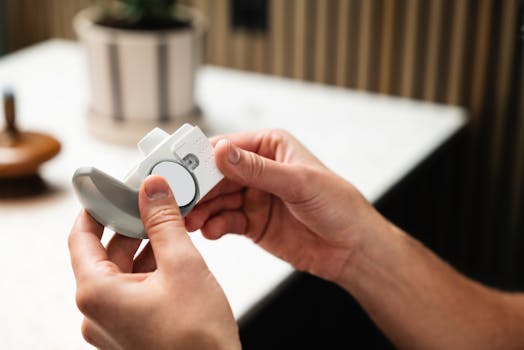

Imagine this: your elderly parent, living independently, takes a tumble while reaching for a book. The immediate fear isn’t just the physical injury, but the agonizing wait – will they be able to reach their alarm? Will anyone hear it? This scenario highlights a critical gap in how we often think about fafall detectionIt’s not just about what happens after a fall, but how we can anticipate, prevent, and respond more intelligently when the unthinkable occurs.
The landscape of fall detection has moved far beyond the simple pendant alarm of yesteryear. Today, we have a suite of technologies and a more holistic approach that prioritizes both prevention and rapid, effective intervention. Let’s dive into what truly matters when it comes to ensuring safety.
Understanding the Real Risks: It’s More Than Just Age
We often associate falls with old age, and while the risk certainly increases, it’s not solely a consequence of aging. A multitude of factors contribute to fall incidents, and understanding these nuances is the first step toward robust fall detection and prevention strategies.
The Multifaceted Nature of Falls
Falls aren’t a single-cause event. They can be triggered by:
Medical Conditions: Dizziness, vertigo, heart conditions, low blood pressure, or neurological disorders can all lead to sudden instability.
Medication Side Effects: Many common medications, especially those for blood pressure, sleep, or mood, can cause drowsiness, confusion, or impaired balance. It’s vital to regularly review prescriptions with a doctor.
Environmental Hazards: Clutter, poor lighting, slippery floors, loose rugs, and uneven surfaces are silent saboteurs waiting to trip someone up.
Vision Impairment: Reduced eyesight can make it difficult to navigate obstacles, perceive changes in elevation, or judge distances accurately.
Mobility Issues: Weakness in the legs, poor gait, or conditions like arthritis can significantly increase the risk of losing balance.
Recognizing these underlying causes allows us to implement targeted preventative measures, which are, in many ways, the best form of fall detection – by stopping the fall before it happens.
Proactive Steps: Building a Safer Environment
Before we even consider a device, let’s talk about making living spaces as safe as possible. I’ve seen countless situations where simple, inexpensive adjustments made a world of difference.
Home Safety Audits: Your First Line of Defense
Think of this as a DIY risk assessment. Walk through the home from the perspective of someone who might be unsteady.
Lighting: Ensure all areas are well-lit, especially hallways, stairwells, and bathrooms. Consider motion-activated lights for nighttime navigation.
Flooring: Secure rugs with non-slip backing or remove them altogether. Fix any loose floorboards or uneven tiles.
Bathrooms: These are high-risk zones. Install grab bars near the toilet and in the shower/tub. Use non-slip mats.
Stairs: Make sure handrails are secure on both sides and that steps are clearly visible.
Clutter: Keep pathways clear of cords, boxes, and any other tripping hazards.
Lifestyle Adjustments: Strengthening the Individual
Beyond the physical environment, supporting the individual’s well-being is crucial.
Regular Exercise: Even gentle exercises focusing on balance and strength can significantly reduce fall risk. Consult a physical therapist for tailored recommendations.
Vision Checks: Ensure regular eye exams and update prescriptions as needed.
Medication Review: Schedule regular check-ins with a doctor or pharmacist to discuss all medications and their potential side effects. Don’t hesitate to ask if a new medication might impact balance.
The Evolution of Fall Detection Technology
When prevention isn’t enough, technology plays a vital role. The advancements in fall detection systems are truly impressive, offering more discreet and intelligent solutions than ever before.
Beyond the Button: Wearable Devices
The classic pendant alarm is still an option, but modern wearables offer much more.
Automatic Fall Detection: Many modern devices, including smartwatches and dedicated pendants, have built-in accelerometers and gyroscopes. These sensors can detect a sudden drop and impact characteristic of a fall. Many will prompt the user to confirm if it was a false alarm, but if no response is received, they automatically alert a monitoring service or designated contacts.
Discreet Design: Today’s devices are often sleek and fashionable, resembling regular jewelry or watches, making them less stigmatizing and more likely to be worn consistently.
GPS Tracking: For individuals who may wander, GPS-enabled devices can provide location data, aiding in their recovery if a fall occurs away from home.
Smart Home Integration: Invisible Guardians
The “Internet of Things” (IoT) is also making its mark on fall safety.
Motion Sensors: Strategically placed motion sensors can detect prolonged periods of inactivity, which might indicate a fall. These can be linked to smart home hubs to trigger alerts.
Bed and Chair Sensors: These sensors can detect when someone has gotten up and hasn’t returned within a set timeframe, or if they’ve been on the floor for too long.
Voice-Activated Assistants: While not direct fall detection, devices like Alexa or Google Assistant can be programmed to respond to specific voice commands for help. However, this relies on the individual being conscious and able to speak.
Making the Right Choice: What to Look For
Selecting a fall detection system isn’t a one-size-fits-all decision. It requires careful consideration of the individual’s needs, lifestyle, and preferences.
Key Features to Evaluate
Accuracy: How reliable is the system at detecting actual falls and minimizing false alarms? Read reviews and inquire about the technology used.
Ease of Use: Is the device intuitive and simple for the user to operate and maintain? This is paramount for consistent use.
Monitoring Service: Does it offer 24/7 professional monitoring, or does it rely on family/friends? Professional services provide immediate, trained response.
Battery Life: How often does the device need to be charged or have its battery replaced?
Water Resistance: Especially important for bathroom use.
Range and Connectivity: Does it work reliably within the home and outside (if necessary)?
Cost: Consider both the upfront purchase price and any ongoing subscription fees for monitoring services.
Involving the User is Key
One thing I’ve learned is that the best system is the one the person will actually wear and use. Involve the individual in the decision-making process. Discuss their comfort levels, any anxieties about technology, and what they feel would be most reassuring. A system that feels like an imposition will likely be abandoned.
The Response Protocol: What Happens Next?
Even the most sophisticated fall detection system is only part of the solution. Having a clear plan for what happens after a fall is detected is absolutely critical.
Defining Your Emergency Plan
Who to Contact: Establish a hierarchy of contacts – family, friends, neighbors, and emergency services.
Information to Provide: Ensure emergency responders have vital information readily available, such as medical conditions, medications, allergies, and the address of the fall.
Practice Drills: If using a monitored system, understand their protocols. For family-based alerts, discuss what steps everyone should take. It might seem extreme, but knowing what to do can save precious time.
Wrapping Up: Vigilance, Not Just Technology
Ultimately, effective fall detection* is a blend of smart technology, environmental safety, proactive lifestyle choices, and a well-rehearsed emergency plan. Don’t just buy a device and assume the problem is solved. Regularly reassess the home environment, encourage healthy habits, and keep communication open with loved ones about their well-being. The most powerful tool in fall prevention and detection remains informed, consistent vigilance.