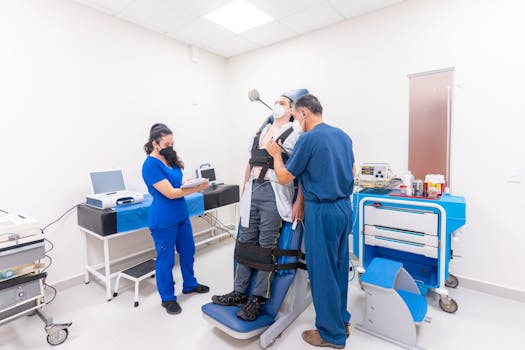

It’s easy to dismiss a “Functional Capacity Assessment” (FCA) as just another bureaucratic hurdle, a box to tick for insurance or employment. But in reality, it’s so much more. Think of it not as a test, but as a deep dive into what you can actually do, day in and day out, under realistic conditions. For anyone navigating a career transition, managing a chronic condition, or seeking disability benefits, understanding your genuine functional abilities is paramount. This isn’t about proving you’re “broken”; it’s about clearly defining your strengths and limitations so you can advocate effectively for yourself.
What Exactly is a Functional Capacity Assessment (FCA)?
At its core, an FCA is a comprehensive evaluation designed to objectively measure an individual’s physical and cognitive abilities relevant to work and daily living. It goes far beyond simple questionnaires. Instead, it involves a series of standardized tests administered by a trained professional, typically an occupational therapist or physiotherapist.
These tests are designed to simulate real-world tasks. Imagine assessing lifting capacity not just by lifting a single weight, but by simulating carrying boxes of varying sizes and weights over a set distance, or repeatedly. Cognitive aspects might be evaluated through simulated problem-solving scenarios, memory tests, or tasks requiring sustained attention. The goal is to get a clear, evidence-based picture of your physical stamina, strength, dexterity, balance, coordination, and cognitive functions like concentration and memory.
Why Should You Care About an FCA? Practical Applications
The insights gleaned from an FCA are incredibly valuable, often serving as the cornerstone for critical decisions affecting your life.
#### Navigating Workplace Challenges and Accommodations
If you’re returning to work after an injury or illness, an FCA is your roadmap. It helps identify what types of tasks you can safely perform and highlights any necessary workplace accommodations. This could range from ergonomic equipment adjustments to modified work schedules or a change in duties. By presenting a clear FCA report to your employer, you provide them with concrete data to support these adjustments, making it easier for them to facilitate your successful reintegration.
#### Building a Strong Disability Claim
For individuals seeking long-term disability benefits, an FCA is often a non-negotiable component. Insurance providers rely heavily on these assessments to understand the extent of your functional limitations and how they prevent you from performing your job or any substantial gainful activity. A thorough and well-documented FCA can significantly bolster your claim, providing objective evidence that supports your narrative of disability. Without it, your claim might be based solely on subjective reports, which can be easily challenged.
#### Planning for Future Health and Well-being
Even if you’re not currently facing a claim or a return-to-work scenario, an FCA can be a proactive tool. It offers a baseline understanding of your current capabilities. This can inform exercise programs, lifestyle choices, and preventative health strategies. Knowing your limits helps you avoid overexertion and manage chronic conditions more effectively, preserving your long-term health and independence. I’ve often found that individuals who undergo an FCA out of curiosity are surprised by what they learn about their own bodies and minds.
What to Expect During Your Assessment: Demystifying the Process
The assessment typically takes several hours, often spread over one or two sessions. It’s crucial to be prepared and to communicate openly with your assessor.
#### The Initial Consultation and History Taking
Before any physical or cognitive tests begin, the assessor will conduct a thorough interview. They’ll ask about your medical history, your injury or condition, your work history, and your daily activities. This is your chance to provide a comprehensive overview of your situation. Be honest and detailed; every piece of information helps the assessor understand the context of your abilities.
#### Physical Function Testing: The Hands-On Evaluation
This is where the core of the assessment lies. You’ll likely be asked to perform a variety of tasks, which may include:
Lifting and Carrying: Simulating the ability to pick up, hold, and transport objects of different weights and sizes.
Grasping and Manipulation: Testing fine motor skills, grip strength, and the ability to manipulate small objects.
Posture and Mobility: Assessing your ability to sit, stand, walk, climb stairs, and reach for objects, often for extended periods.
Balance and Coordination: Evaluating your stability and ability to perform tasks requiring precise movements.
These tests are designed to measure not just maximum capacity, but also endurance and consistency over time.
#### Cognitive Function Screening: Beyond the Physical
Depending on the purpose of the assessment and your reported difficulties, cognitive functions may also be evaluated. This could involve:
Attention and Concentration: Tasks requiring sustained focus and the ability to filter distractions.
Memory: Testing short-term and long-term recall.
Problem-Solving and Decision-Making: Simulating scenarios that require logical thinking and judgment.
Pace and Organization: Evaluating your ability to manage tasks efficiently and in a structured manner.
It’s important to note that these cognitive screens are typically not a diagnostic tool for formal cognitive impairment but rather a measure of how cognitive functions impact your ability to perform work-related tasks.
Making the Most of Your Functional Capacity Assessment
Simply showing up isn’t enough. To ensure your FCA provides the most accurate and beneficial results, consider these actionable tips.
#### Communicate Honestly and Completely
Your assessor needs the full picture. Don’t downplay your pain or limitations, but also don’t exaggerate. Describe your symptoms accurately and how they impact your daily life and work tasks. If you have good days and bad days, explain that variability.
#### Prepare Mentally and Physically
Get a good night’s sleep before your assessment. Avoid strenuous activity right beforehand that might artificially impair your performance. If you experience pain during a test, tell the assessor immediately. They can adjust the test, document your response, or modify their interpretation.
#### Ask Questions
Don’t hesitate to ask the assessor about what a particular test is measuring or what the results might mean. Understanding the process can alleviate anxiety and help you provide more relevant information. It’s also helpful to ask about the format of the final report and when you can expect to receive it.
#### Understand the Report’s Implications
Once you receive the FCA report, read it carefully. It will detail the tests performed, your performance on each, and the assessor’s conclusions about your functional abilities and limitations. This document is a critical piece of evidence. Understand what it says before you submit it or use it to advocate for yourself.
The Road Ahead: Leveraging Your FCA Insights
A Functional Capacity Assessment (FCA) is a powerful tool, but its true value lies in how you use the information it provides. It’s not just a report; it’s a data-driven narrative of your capabilities. By approaching the FCA process with preparedness, honesty, and a clear understanding of its purpose, you empower yourself to make informed decisions, advocate effectively for your needs, and build a clearer path forward, whether that’s back to the workplace or towards securing the support you deserve.