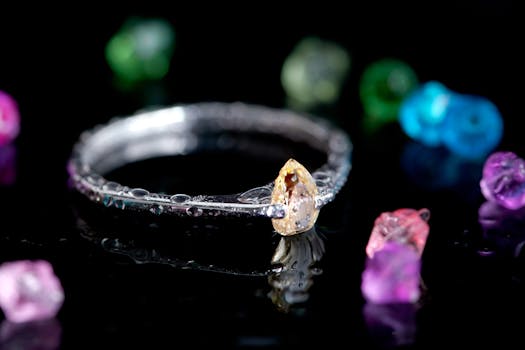

Are you staring down the barrel of a diamond purchase, feeling a mix of excitement and a healthy dose of apprehension? The sheer volume of information, the jargon, and the pressure to get it “just right” can be overwhelming. But what if your diamond search, particularly when looking for something truly exceptional – a “rare carat” find – could be streamlined, demystified, and even enjoyable? It’s not about luck; it’s about strategy.
This isn’t about chasing fleeting trends or succumbing to marketing hype. It’s about understanding the core principles that lead you to a diamond that not only sparkles but also represents true value and personal significance. Let’s cut through the noise and get down to brass tacks.
Defining “Rare Carat”: What’s Truly Special?
When we talk about a “rare carat diamond search,” we’re not just talking about a large diamond. Size is a factor, yes, but rarity is a complex equation. It’s about the confluence of exceptional quality (the 4 Cs: Cut, Color, Clarity, Carat Weight) and potentially unique characteristics.
The 4 Cs, Elevated: A truly rare diamond often excels in multiple Cs. Think a D-color, Flawless diamond, or a diamond with an extraordinary cut that maximizes brilliance.
Beyond the Standard: This can also include diamonds with uncommon hues (fancy colored diamonds), unique inclusions that create mesmerizing patterns (like “nature’s artwork”), or even historical significance.
Your Personal “Rare”: Ultimately, “rare” is also subjective. For some, it’s a significant carat weight that fits their budget. For others, it’s a unique color or a stone with a story. Identifying your definition is the first step.
Strategic Sourcing: Where to Look for Uncommon Gems
Your search for a rare carat diamond requires a thoughtful approach to where you’re looking. It’s not always about the biggest showroom.
Specialized Dealers: Seek out jewelers and dealers who specialize in high-quality, unique, or fancy colored diamonds. They often have access to stones not readily available in mass-market inventory.
Online Aggregators (Used Wisely): Platforms like Rare Carat excel at bringing together inventory from numerous vendors. However, when conducting your Rare Carat diamond search, treat it as a powerful starting point for discovery, not necessarily your final purchase point. Use it to identify potential stones, understand market pricing, and then investigate the specific vendor thoroughly.
Auction Houses: For truly unique or historically significant stones, auction houses can be a venue, though this typically requires more expertise and a significant budget.
The 4 Cs Deep Dive: Unpacking True Value
Let’s be blunt: the 4 Cs are your bedrock. But when aiming for rare, you need to understand the nuances.
Cut: The Diamond’s Soul: This is often the most critical factor for brilliance. A well-cut diamond of lower color or clarity can appear more beautiful than a poorly cut one of higher grades. For a Rare Carat diamond search, prioritize excellent to ideal cut grades.
Color: The Spectrum of White: Truly colorless diamonds (D-F) are rarer and command higher prices. However, near-colorless (G-J) can offer exceptional value, appearing white to the untrained eye, especially when set in yellow or rose gold. For fancy colors, the intensity and purity of the hue are paramount.
Clarity: The Diamond’s Internal Landscape: Flawless (FL) and Internally Flawless (IF) are incredibly rare. For most buyers, Very, Very Slightly Included (VVS) or Very Slightly Included (VS) grades offer excellent clarity without a significant price premium. Remember, many inclusions are invisible to the naked eye.
Carat Weight: The Tangible Factor: This is where the “rare carat” aspect often comes into play. Larger diamonds are exponentially rarer than smaller ones. A 2-carat diamond is significantly rarer than two 1-carat diamonds.
Navigating the Practicalities: Beyond the Stone Itself
A successful Rare Carat diamond search involves more than just picking a stone.
Budget Allocation: Be realistic about your budget. Decide which of the 4 Cs you’re willing to compromise on to achieve your primary goal (e.g., carat weight, or a specific color).
Certifications Matter: Always insist on a diamond grading report from a reputable gemological laboratory (GIA, AGS are top-tier). This is your unbiased guarantee of the diamond’s characteristics. Don’t accept a seller’s in-house certificate.
Setting Considerations: The metal and style of your setting can impact the appearance of the diamond. For example, platinum or white gold can make a near-colorless diamond appear whiter.
Decoding Diamond Value: Is It a Smart Investment?
When you engage in a Rare Carat diamond search, you’re often looking for a stone with inherent value that might hold or even appreciate over time, especially for exceptionally rare specimens.
Scarcity Drives Value: As mentioned, larger carat weights and top-tier color/clarity grades are inherently rare, and this scarcity is a primary driver of their value.
Market Fluctuations: While diamonds are not a traditional stock market investment, prices do fluctuate based on supply, demand, and economic conditions.
Appraisal for Insurance: Regardless of investment potential, getting an independent appraisal for insurance purposes is crucial for any significant diamond purchase. This ensures you’re covered for its replacement value.
Final Thoughts: Your Next Move
Finding a rare carat diamond isn’t a passive activity; it’s an informed expedition. By focusing on understanding what truly constitutes rarity beyond just size, by strategically sourcing your gems, and by meticulously evaluating the 4 Cs with an eye for detail, you significantly enhance your chances of a successful and satisfying purchase. Remember, the most beautiful diamond is the one that perfectly balances your desires, your budget, and its intrinsic quality.
So, are you ready to move from window shopping to serious strategizing in your quest for that extraordinary diamond?