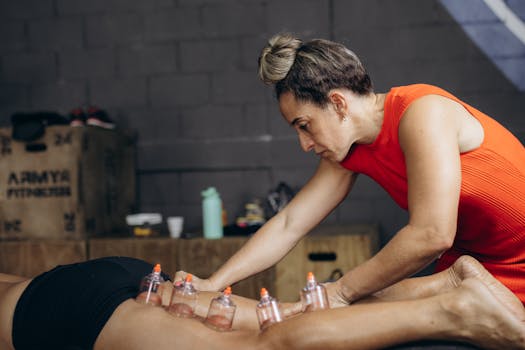

You know the feeling. That searing pain that greets you with your first step in the morning, turning a simple walk to the bathroom into a grimace-inducing challenge. For millions, plantar fasciitis is more than just an inconvenience; it’s a relentless, debilitating condition that can steal your active life. While rest and stretching are often the first lines of defense, they frequently fall short. This is where a targeted, expert-driven physical therapy treatment for plantar fasciitis truly shines. It’s not just about passively waiting for healing; it’s about actively reclaiming your stride.
Why Your Usual Fixes Aren’t Cutting It
Many people arrive at my clinic having tried every home remedy imaginable. They’ve rolled golf balls, stretched their calves until they ache, and perhaps even experimented with night splints. While these can offer temporary relief, they often fail to address the root cause of plantar fasciitis. The plantar fascia, a thick band of tissue running across the bottom of your foot, becomes inflamed and irritated due to a variety of factors: biomechanical issues, tight calf muscles, improper footwear, or even sudden increases in activity. Ignoring these underlying issues is like putting a band-aid on a leaky pipe – it might slow the drip, but it won’t fix the problem.
The Cornerstone of Effective Plantar Fasciitis Therapy: Assessment
Before any hands-on treatment begins, a thorough assessment is paramount. As a physical therapist, I look beyond just the painful heel. I examine your:
Foot Biomechanics: How do your feet move when you walk, stand, and jump? Are there issues like flat feet (overpronation) or high arches that put excessive strain on the plantar fascia?
Lower Leg Flexibility: Tight calf muscles (gastrocnemius and soleus) are a major contributor. I assess their flexibility and identify any restrictions.
Hip and Core Strength: Believe it or not, weakness in your hips and core can lead to compensatory movements that overload your feet.
Gait Analysis: Watching you walk reveals a lot about how your body distributes weight and absorbs shock.
This comprehensive evaluation is the bedrock upon which a personalized physical therapy treatment for plantar fasciitis is built. Without it, you’re essentially guessing at the solution.
Targeted Manual Therapy Techniques
Once the assessment is complete, we move into hands-on interventions. These are designed to reduce inflammation, improve tissue mobility, and alleviate pain.
#### Soft Tissue Mobilization and Myofascial Release
I often start with manual therapy to directly address the tight tissues. This can include:
Deep Tissue Massage: Targeting the plantar fascia itself and surrounding muscles to break up adhesions and scar tissue. It can be intense, but the relief is often immediate.
Myofascial Release: Working on the fascia that encases your muscles, often extending up your leg, to restore its gliding ability.
Trigger Point Therapy: Applying sustained pressure to specific tight spots that refer pain.
These techniques help to increase blood flow to the area, promoting healing and reducing the stiffness that exacerbates morning pain.
#### Joint Mobilization
Sometimes, restricted movement in the joints of your foot or ankle can contribute to plantar fasciitis. Gentle mobilization techniques can restore normal joint play, improving overall foot function and reducing stress on the plantar fascia. This might involve small, specific movements to your talocrural joint (ankle) or subtalar joint.
The Power of Prescription: Exercises for Lasting Relief
Manual therapy is crucial for immediate pain relief, but sustainable recovery hinges on strengthening and stretching exercises. This is where you become an active participant in your healing journey.
#### Crucial Stretching Regimens
Calf Stretches: This is non-negotiable. We’ll focus on both the gastrocnemius (straight knee) and soleus (bent knee) muscles. Holding these stretches for 30 seconds, multiple times a day, makes a significant difference.
Plantar Fascia Specific Stretches: Simple exercises like pulling your toes back towards your shin can directly target the fascia. It’s a small movement with a big impact.
Towel Scrunches: Using your toes to scrunch up a towel helps strengthen the intrinsic muscles of the foot, providing better support.
#### Strengthening for Stability and Support
Toe Raises and Heel Walks: These classic exercises build strength in the muscles that control foot movement.
Eccentric Calf Raises: Performing calf raises slowly on the way down (eccentric phase) is particularly effective for strengthening the Achilles tendon and calf muscles, which directly influence plantar fascia load.
Hip Abductor and Gluteal Strengthening: Exercises like clamshells and glute bridges help stabilize the pelvis and improve your kinetic chain, reducing the stress transmitted to your feet.
One thing to keep in mind is consistency. Doing these exercises sporadically won’t yield the best results. Making them a daily habit is key.
Innovative Modalities: Tools in the PT Arsenal
Beyond manual therapy and exercise, a physical therapist might employ other modalities to accelerate healing and reduce inflammation.
Therapeutic Ultrasound: This uses sound waves to penetrate deep tissues, promoting healing and reducing inflammation.
Electrical Stimulation (e-stim): Used to reduce pain and inflammation, and sometimes to help muscles contract.
Dry Needling: For stubborn trigger points in the calf or plantar fascia, dry needling can offer significant pain relief.
These tools are adjuncts to the core treatment and are used judiciously based on individual needs.
Prevention: Your Long-Term Strategy
Recovering from plantar fasciitis is only half the battle. The real win comes from preventing its return. This means:
Wearing Supportive Footwear: Ditch the flimsy flip-flops and high heels for everyday wear. Invest in shoes with good arch support and cushioning.
Gradual Activity Progression: Avoid sudden spikes in training intensity or duration.
Maintaining Flexibility: Continue your stretching routine even when pain-free.
Listen to Your Body: Don’t push through persistent foot pain. Seek professional advice early.
Embracing Your Return to an Active Life
Dealing with plantar fasciitis can feel like an uphill battle, but the right physical therapy treatment for plantar fasciitis offers a clear path to recovery. It’s a multi-faceted approach that combines expert manual therapy, tailored exercise programs, and education to empower you. By understanding the root causes and actively engaging in your rehabilitation, you can finally say goodbye to that debilitating heel pain and rediscover the joy of pain-free movement. Don’t let plantar fasciitis dictate your life; take control with a strategic, evidence-based physical therapy plan.