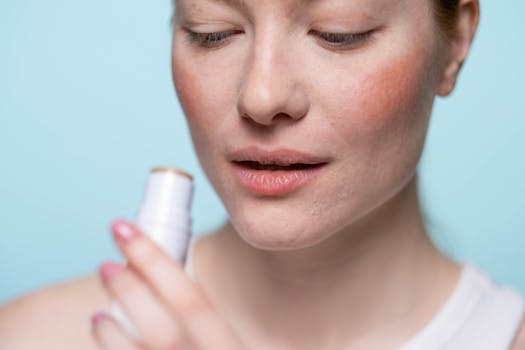

We slather it on without a second thought, a familiar comfort against the sting of winter wind or the dryness of a summer day. But have you ever paused to truly consider what’s in that little tube or tin of lip balm? Is it merely a superficial fix, a waxy shield against the elements, or does it hold a deeper secret to our skin’s health and comfort? It’s a product so ubiquitous, so seemingly simple, that we rarely question its impact or its efficacy. Yet, delving into the world of lip balm reveals a surprising complexity, a landscape of ingredients, formulations, and even debated benefits that might just change how you view this everyday essential.
The Unseen Architects of Your Lips: Essential Ingredients & Their Roles
At its core, lip balm is designed to protect and moisturize the delicate skin of your lips, which lacks the oil glands found elsewhere on your body. This makes them particularly vulnerable to dryness, cracking, and environmental damage. But how do they achieve this? The answer lies in the carefully selected ingredients, each playing a crucial role.
Occlusives: Think of these as the barrier builders. Ingredients like petrolatum (Vaseline), mineral oil, and beeswax form a physical shield on the lips, preventing moisture loss and protecting from external irritants. They don’t “add” moisture, but rather lock in what’s already there. This is a key distinction to ponder – are we truly hydrating, or just sealing?
Emollients: These are the softening agents. Lanolin, shea butter, cocoa butter, and various plant-based oils (like coconut, jojoba, or almond oil) fill in the tiny cracks and crevices on the lip surface, making them feel smoother and more supple. They also contribute to the balm’s texture and spreadability.
Humectants: Less common in traditional lip balms but increasingly appearing in advanced formulations, humectants like hyaluronic acid or glycerin actually draw moisture from the air to the lips. They work best when combined with occlusives to seal in that borrowed hydration.
Actives & Enhancers: Some balms go a step further, incorporating ingredients like SPF for sun protection, vitamin E for antioxidant benefits, or even subtle flavorings and mild exfoliants. These additions can offer targeted benefits but also warrant closer inspection, as not all are created equal.
Beyond the Basic Balm: Exploring Functional Formulations
The sheer variety of lip balm on drugstore shelves can be overwhelming. It begs the question: does one size truly fit all? Or are there specific formulations designed for particular concerns?
#### Tackling Common Lip Woes: Targeted Treatments
When your lips feel more than just dry, you might be looking for something beyond the standard.
For Extreme Dryness and Chapping: Look for balms rich in petrolatum or dense plant butters like shea and cocoa. These provide a robust protective layer. My own experience has shown that a thick, occlusive balm applied just before bed can work wonders overnight.
For Sun Protection: If you spend a lot of time outdoors, a lip balm with SPF 30 or higher is non-negotiable. Zinc oxide and titanium dioxide are mineral-based sunscreens that offer broad-spectrum protection, sitting on the skin’s surface to block UV rays.
For Sensitive Lips: Fragrances, flavorings, and certain preservatives can be irritating. Opt for hypoallergenic, fragrance-free options with simple ingredient lists. Unscented mineral oils or beeswax-based balms are often excellent choices for reactive skin.
For a Hint of Color: Tinted lip balms offer a dual benefit – a touch of color and essential moisture. However, it’s worth checking their ingredient lists, as some can be more pigment-heavy and less moisturizing than their clear counterparts.
The Ingredient Deep Dive: What to Watch Out For
While many lip balm ingredients are beneficial, a critical eye can help you make more informed choices, especially when considering long-term use.
Menthol, Camphor, and Phenol: These ingredients can provide a cooling or tingling sensation, which might feel soothing initially. However, they can also be drying and irritating over time, leading to a cycle of needing more balm. They essentially “wake up” your lips, but not always in a good way.
Artificial Fragrances and Flavors: These are common culprits for allergic reactions and irritation, especially for those with sensitive skin. If you experience redness, itching, or increased dryness after using a flavored balm, it might be time to reconsider.
Salicylic Acid: While excellent for exfoliating skin elsewhere, in lip balms, it can be too harsh, leading to dryness and irritation.
Water-Based Ingredients (in some balms): Water can evaporate quickly, taking some of the lip’s natural moisture with it if not properly sealed by occlusives. This is why oil-based or wax-based formulations tend to be more effective for long-term protection.
The Environmental and Ethical Considerations
As conscious consumers, we’re increasingly aware of the impact our choices have on the planet and its inhabitants. This extends to our lip balm too.
Sustainable Sourcing: Many popular lip balms use beeswax, shea butter, or cocoa butter. Are these ingredients sourced ethically and sustainably? Certifications like Fair Trade or organic can offer some assurance.
Packaging: The tubes and tins that house our lip balm often end up in landfills. Exploring brands that use recyclable, compostable, or refillable packaging is a step towards a more sustainable routine.
* Vegan Options: For those who prefer to avoid animal-derived ingredients, vegan lip balms made with plant-based waxes like candelilla or carnauba wax are readily available.
Final Thoughts: Crafting Your Ideal Lip Care Ritual
So, what have we learned? The unassuming lip balm is far more than a simple cosmetic. It’s a carefully crafted blend of science and nature, designed to protect and comfort one of our body’s most exposed and sensitive areas. By understanding the role of each ingredient, recognizing potentially irritating components, and considering ethical sourcing, we can move beyond blind application to intentional care.
The next time you reach for your lip balm, take a moment. Consider your specific needs. Are you battling the harsh elements? Seeking a subtle boost of color? Or perhaps dealing with persistent dryness? Armed with this knowledge, you can navigate the aisles with confidence, selecting a product that truly nourishes and protects, rather than just masking the problem. Your lips, after all, deserve nothing less than thoughtful care.