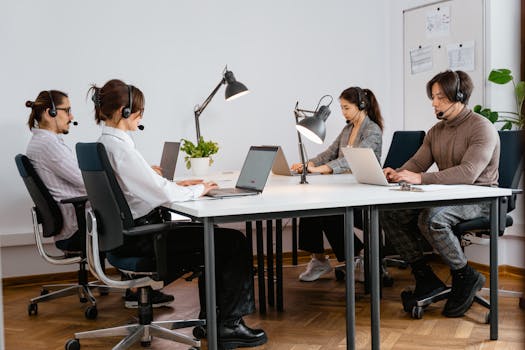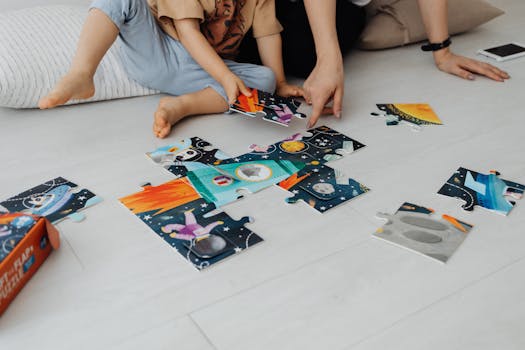

Ever feel like your team’s collective stress level is hovering somewhere between “mild panic” and “about to spontaneously combust”? You’re not alone. In our hyper-connected, always-on work culture, finding genuine moments of relaxation for your employees can feel like searching for a unicorn riding a rainbow. But what if the secret to unwinding wasn’t another mindfulness app or a mandatory “fun” committee meeting (shudder)? What if it involved something decidedly more… tangible? It turns out, hands-on creative activity is a great way to let your team relax. Yes, really. Forget spreadsheets for a moment; we’re talking about clay, paint, and maybe even a bit of strategic Lego placement.
The Myth of the Always-On Employee
We often champion productivity, efficiency, and round-the-clock dedication. While these are admirable, they can also lead to burnout faster than a free donut disappears in the breakroom. When brains are perpetually buzzing with deadlines and demands, they lose their capacity for genuine creativity and, crucially, for genuine rest. This isn’t just about feeling tired; it’s about a mental and emotional depletion that can stifle innovation and, frankly, make people grumpy. So, how do we inject some much-needed downtime that actually recharges, rather than just temporarily distracts?
Unleashing the Inner Artist (No Talent Required!)
The beauty of hands-on creative activity is a great way to let your team relax because it taps into a different part of the brain. It’s about process, not perfection. Think about it: when you’re trying to get that stubborn bit of paint to cover or wrestling with a particularly fiddly piece of pottery, your mind isn’t on that looming quarterly report. It’s engaged in a physical, often mindful, task that provides a welcome escape.
#### Beyond the Brainstorm: Tangible Takes on Team Building
Many companies equate team building with awkward icebreakers or escape rooms where the most competitive person usually “wins.” While these have their place, they don’t always foster the kind of deep relaxation we’re talking about. Hands-on creative sessions offer a different kind of connection – one that’s collaborative, low-pressure, and frankly, a lot more fun.
Sculpting Serenity: Provide teams with modeling clay or play-doh. The tactile experience alone is incredibly grounding. Encourage them to create something abstract, or perhaps a representation of their ideal workday. No judgment, just squishing and shaping.
Canvas & Calm: Set up an impromptu painting station. It doesn’t need to be a masterclass; think abstract expressionism or collaborative murals. The act of mixing colors and applying them to a surface can be incredibly meditative.
Lego® Lulls: Who says Legos® are just for kids? Building with these colorful bricks requires focus and spatial reasoning, but in a playful, unpressured way. Teams can work together on a collaborative build or create individual masterpieces.
The Science (and Sheer Sanity) Behind the Smear
Why does getting your hands dirty work wonders? For starters, it’s a fantastic way to engage your whole self, not just your analytical brain. This kind of activity can:
Reduce Cortisol Levels: The stress hormone doesn’t stand a chance when you’re focused on creating. The repetitive motions and the act of making something tangible can be incredibly calming.
Boost Mood-Enhancing Neurotransmitters: Engaging in enjoyable, creative tasks can release endorphins, leaving your team feeling happier and more relaxed. It’s like a mini-vacation for the brain!
Improve Focus and Concentration: Paradoxically, by focusing on a simple, enjoyable task, you can actually improve your ability to concentrate on more demanding work later. It’s like a mental reset button.
Foster a Sense of Accomplishment: Even a small, imperfect creation provides a tangible sense of achievement, which is a powerful antidote to the feeling of being overwhelmed by abstract tasks.
I’ve seen firsthand how a well-placed pottery session can diffuse tension before a major project launch. It’s less about the finished product and more about the shared experience of stepping away from the usual grind.
Making It Happen: Practical Steps for Creative Decompression
So, you’re convinced that hands-on creative activity is a great way to let your team relax. Fantastic! But how do you implement it without it feeling forced or like another item on the to-do list?
#### Creating the Right Environment for Unwinding
Keep it Low Stakes: Emphasize that there’s no artistic skill required. The goal is to have fun and de-stress, not to win a blue ribbon at the local craft fair.
Provide the Tools: Invest in a few basic supplies. A bulk order of modeling clay, some inexpensive canvases and paints, or a variety of Lego sets can go a long way.
Designate a Space (Even a Temporary One): It doesn’t need a dedicated “art studio.” A cleared-out conference room, a corner of the break room, or even an outdoor patio can work. Just ensure there’s space to spread out and make a bit of a mess.
Time it Right: Don’t spring it on your team during their busiest week. Consider incorporating it during slower periods, before holidays, or as a refreshing afternoon break.
Lead by Example: If management participates and shows genuine enthusiasm, it encourages others to relax and enjoy the experience.
Beyond the Brushstroke: Long-Term Benefits
The immediate benefits of hands-on creative activity is a great way to let your team relax are clear: reduced stress, improved mood, and a break from the mental grind. But the ripple effects can be even more profound.
Enhanced Problem-Solving Skills: When our brains are relaxed and engaged in creative exploration, we become more open to new ideas and approaches. This can translate directly back to tackling workplace challenges with fresh perspectives.
Stronger Team Cohesion: Shared creative experiences build bonds. Working side-by-side on a fun, low-pressure project can foster camaraderie and improve communication in ways that formal team-building exercises often miss.
* Increased Employee Engagement: Showing your team that you value their well-being and are willing to invest in activities that help them de-stress can significantly boost morale and overall engagement with their work.
## Wrapping Up: The Art of the Reset
In the grand tapestry of workplace well-being, sometimes the most effective threads are the simplest. Encouraging hands-on creative activity is a great way to let your team relax, because it offers a much-needed pause from the relentless demands of the modern professional landscape. So, go ahead, embrace the mess, encourage the creativity, and watch your team find their zen amidst the clay and colors. Your employees (and your bottom line) will thank you.