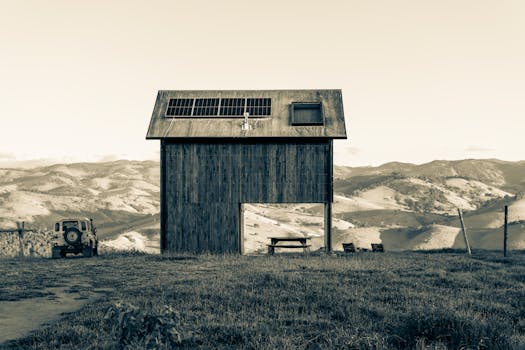

So, you’re dreaming of a life where your electricity bill is a relic of the past, and your power source is as pure as a frost-kissed Ontario morning? You’re not alone! The allure of independence, coupled with a growing desire for sustainability, is driving more Ontarians to consider off-grid solar systems in Ontario. But before you start picturing yourself powering a yurt with sunshine and humming folk songs, let’s get real. Going off-grid isn’t just flipping a switch; it’s a significant lifestyle change, and understanding the nitty-gritty is crucial. This isn’t your average “how-to” guide; it’s a friendly, slightly-tongue-in-cheek, but deeply informative deep-dive into what it really takes to harness the power of the sun in the Great White North, without a utility pole in sight.
Why the Buzz About Off-Grid Solar in Ontario?
Let’s face it, the idea of energy independence is pretty darn appealing. No more unpredictable hikes in electricity rates from Hydro One or the local distribution company. For those living in remote areas of Ontario, where grid connection can be prohibitively expensive or simply impossible, off-grid solar isn’t just a luxury; it’s a necessity. Beyond the financial and logistical benefits, there’s a powerful satisfaction in generating your own clean energy. It’s like high-fiving Mother Nature every time your lights flicker on. Plus, the technology has come a long way. What was once an expensive, complex undertaking is now more accessible and efficient than ever.
The Building Blocks of Your Solar Sanctuary
To build your personal solar kingdom off the grid, you’ll need a few key components. Think of these as the essential cast of characters in your energy independence play:
Solar Panels (The Sun-Soakers): These are your primary power generators. They capture sunlight and convert it into direct current (DC) electricity. The number and size you need will depend heavily on your energy consumption and your location’s average sunlight hours. Ontario, bless its snowy heart, isn’t exactly the Sahara, so proper sizing is key.
Charge Controller (The Gatekeeper): This little marvel protects your batteries from overcharging and deep discharging, which can significantly shorten their lifespan. It’s like a strict but fair bouncer for your energy storage.
Battery Bank (The Energy Stash): This is where your captured solar energy goes to hibernate until you need it. Think of it as your personal power piggy bank. For off-grid living, you’ll need a robust system, often comprised of deep-cycle batteries designed for repeated draining and recharging. Lithium-ion batteries are becoming increasingly popular due to their longevity and efficiency, but they come with a higher upfront cost.
Inverter (The Transformer): Your solar panels and batteries produce DC power, but most of your appliances run on alternating current (AC) power. The inverter’s job is to convert DC to AC, making your electricity usable for everything from your toaster to your television. You’ll need an inverter that can handle the peak power demand of all your appliances running simultaneously.
Is Going Off-Grid in Ontario a Financial Black Hole?
Ah, the million-dollar question (or perhaps, the tens-of-thousands-of-dollars question). Let’s be upfront: off-grid solar systems in Ontario have a significant upfront investment. Unlike grid-tied systems that can sometimes be offset by government incentives or net-metering, off-grid systems require you to own and maintain your entire power infrastructure.
Initial Costs: This includes the solar panels, inverter, charge controller, and, crucially, the battery bank. Batteries are often the most expensive component.
Installation: Professional installation is highly recommended, especially for complex off-grid setups.
Maintenance: While solar panels are relatively low-maintenance, batteries have a finite lifespan and will eventually need replacement.
However, the long-term savings can be substantial. Once your system is paid off, your electricity is essentially free. Consider it a very, very long-term investment in your financial freedom and environmental peace of mind. It’s also worth noting that the cost of solar technology continues to decrease, making it a more viable option than ever before.
The Sunshine and the Storm Clouds: Pros and Cons
Like anything in life, going off-grid comes with its own set of delights and challenges.
#### The Sunny Side Up (Pros):
Energy Independence: You are in control of your power. Say goodbye to utility bills and rate hikes!
Environmental Benefits: You’re generating clean, renewable energy, significantly reducing your carbon footprint.
Remote Location Solution: Ideal for properties far from the existing electrical grid.
Potential for Lower Long-Term Costs: After the initial investment, your “fuel” (sunlight) is free.
#### The Storm Clouds Gathering (Cons):
High Upfront Cost: This is the big one. It’s a significant financial commitment.
Dependence on Weather: Cloudy days and long winter nights in Ontario mean your power generation will be reduced. Battery storage is your best friend here, but even that has limits.
System Maintenance and Monitoring: You are responsible for ensuring your system runs smoothly. This requires some technical understanding or the willingness to learn.
Lifestyle Adjustments: You’ll need to be mindful of your energy consumption, especially during periods of low sunlight. No more leaving lights on willy-nilly!
Battery Replacement: Batteries have a lifespan and will need to be replaced periodically, which is another considerable expense.
Are You Built for Off-Grid Life in Ontario?
This is where the rubber meets the road, or perhaps, the sun meets the panel. Before you commit to off-grid solar systems in Ontario, ask yourself these crucial questions:
- What’s your energy appetite? Make a detailed list of all your electrical appliances and their wattage. Estimate how many hours per day you use each. This will determine the size of the system you need. Don’t forget those phantom loads from electronics plugged in but not in use!
- What’s your budget? Be realistic. Get multiple quotes from reputable installers. Factor in the cost of batteries, which will be your recurring expense.
- How much sun do you actually get? Ontario has varied sunlight throughout the year. You’ll need to consider the average daily sun hours for your specific location, especially during the less sunny months.
- Are you prepared for lifestyle changes? Off-grid living often means becoming more conscious of your energy usage. This might involve running high-demand appliances during peak sun hours or investing in energy-efficient appliances.
- Do you have a backup plan? While solar is the primary source, many off-grid systems include a backup generator (often propane or diesel) for extended periods of low sunlight or unexpected high demand.
Navigating the Ontario Landscape for Off-Grid Solar
When you’re looking into off-grid solar systems in Ontario, partnering with experienced installers who understand local regulations and the nuances of the Ontario climate is paramount. They can help you design a system that’s not only efficient but also compliant with any local bylaws. They’ll also be your go-to for advice on battery types, inverter sizing, and ensuring your system can handle everything from a summer heatwave to a classic Ontario blizzard. Don’t be afraid to ask questions; it’s your home and your energy future you’re investing in!
Final Thoughts: Embrace the Bright Side (Wisely)
Going off-grid with solar in Ontario is an ambitious and rewarding journey. It’s a commitment to a more sustainable and independent lifestyle, but it demands thorough research, careful planning, and a realistic understanding of both the technological and personal adjustments required. If you’re ready to embrace the challenge and become a sun-powered Ontarian, the rewards can be immense. Just remember, a little bit of planning goes a long way, and a well-designed system will have you singing in the rain (or at least enjoying your electric kettle without a bill in sight).
Frequently Asked Questions about Off-Grid Solar in Ontario
What is the average cost of an off-grid solar system in Ontario? Costs can vary wildly, from $20,000 for a small cabin to $50,000+ for a larger, fully-equipped home. Battery bank size is a major cost driver.
How long do off-grid solar batteries last? Deep-cycle batteries typically last 5-15 years, depending on type, usage, and maintenance. Lithium-ion batteries generally have a longer lifespan.
Can I sell excess power back to the grid with an off-grid system? No, by definition, an off-grid system is not connected to the utility grid, so there’s no grid to sell power back to.
What happens on a very cloudy day in Ontario? Your solar panels will produce less power. You’ll rely on your battery bank. If the batteries become depleted and there’s no sun, you’ll need a backup generator.
* Do I need permits for off-grid solar systems in Ontario? Yes, electrical permits are typically required, and it’s wise to check with your local municipality regarding any specific zoning or building requirements.