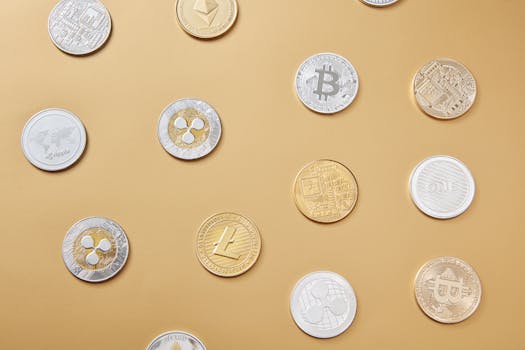

The intersection of traditional payment systems and decentralized digital assets is a fascinating, albeit often complex, territory. For many burgeoning cryptocurrency enthusiasts, the desire to buy Litecoin with PayPal represents a natural progression, leveraging a familiar and widely adopted payment method to enter the world of altcoins. However, unlike direct fiat-to-crypto purchases on many exchanges, integrating PayPal into a Litecoin acquisition strategy isn’t always a straightforward, one-click affair. This article aims to dissect the realities, the workarounds, and the underlying mechanics of making this transaction a reality, offering an analytical perspective for those looking to navigate this specific pathway.
Understanding the PayPal and Crypto Dichotomy
It’s crucial to understand from the outset why directly buying Litecoin with PayPal isn’t as ubiquitous as one might initially assume. PayPal, as a centralized financial institution, operates within strict regulatory frameworks. These frameworks often involve stringent Know Your Customer (KYC) and Anti-Money Laundering (AML) protocols, alongside chargeback protections. Cryptocurrencies, by their very nature, are largely pseudonymous and operate on decentralized ledgers, making them inherently difficult to reconcile with PayPal’s traditional financial oversight.
This fundamental difference creates a barrier. PayPal itself has historically had a cautious stance on direct crypto purchases facilitated through its platform, often restricting users from buying, selling, or withdrawing cryptocurrency to external wallets. While PayPal has made strides in offering crypto services, these are typically confined to specific regions and often involve them acting as a custodian, meaning you don’t truly own the private keys to your digital assets in the way you would with a self-custody wallet.
Navigating the Indirect Routes to Buy Litecoin with PayPal
Given these limitations, most individuals seeking to buy Litecoin with PayPal resort to indirect methods. These typically involve using PayPal to fund an intermediary platform, which then allows for the purchase of Litecoin. Let’s break down the common strategies:
#### 1. Peer-to-Peer (P2P) Platforms: A Double-Edged Sword
Peer-to-peer platforms, where individuals trade directly with one another, are perhaps the most common avenues. Here’s how it generally works:
The Mechanism: A seller lists that they are willing to sell Litecoin for PayPal. You agree to their terms, send them the PayPal payment, and once they confirm receipt, they release the Litecoin to your wallet.
Pros: This method offers a high degree of flexibility in terms of pricing and payment speed. It’s often the most accessible way for many to buy Litecoin with PayPal.
Cons: This is where the risks amplify significantly.
Scams: The nature of P2P trading, especially with a payment method like PayPal that has chargeback potential, makes it a fertile ground for scammers. A dishonest seller could claim they never received payment after releasing the crypto, or a dishonest buyer could initiate a chargeback after receiving the Litecoin.
Price Premiums: To account for the risk and effort, sellers on P2P platforms often charge a premium compared to standard exchange rates.
Verification: Reputable P2P platforms often have escrow services and user verification systems, but diligence is paramount. Always check seller ratings, read reviews, and understand the platform’s dispute resolution process.
#### 2. Third-Party Payment Processors and Gift Cards: A Layered Approach
Another, albeit more convoluted, approach involves using PayPal to purchase specific gift cards or cryptocurrency vouchers that can then be redeemed for Litecoin on a crypto exchange or wallet.
The Process: You might use PayPal to buy a gift card for a service that allows its balance to be converted to cryptocurrency. Alternatively, some platforms allow you to deposit funds via PayPal to then purchase crypto.
Advantages: This can sometimes offer a degree of separation from direct PayPal-to-crypto transactions, potentially mitigating some direct policy violations.
Disadvantages: This method introduces multiple fees at each step of the process – the fee for purchasing the gift card, the fee for redeeming it, and the exchange fee on the crypto platform. This can significantly erode your investment before it even hits your wallet. Furthermore, the availability of such services can be limited and subject to change.
What About Direct PayPal Crypto Purchases?
As mentioned, PayPal does offer crypto services in select markets. If you are in one of these regions, you might be able to buy, sell, and hold certain cryptocurrencies directly within your PayPal account. However, it’s vital to understand the limitations:
Custodial Nature: In most cases, when you buy crypto through PayPal, you are not given direct control of the private keys. This means you can’t send your Litecoin to an external wallet, which is a fundamental aspect of cryptocurrency ownership and utility for many users.
Limited Coin Support: PayPal’s crypto offerings are often restricted to major coins like Bitcoin and Ethereum. Litecoin might not always be included.
Regional Restrictions: These services are not available globally.
Therefore, even in regions where PayPal offers crypto, it might not be the ideal solution if your goal is to truly own and transact with your Litecoin outside the PayPal ecosystem.
Essential Considerations Before You Buy Litecoin with PayPal
Engaging in any transaction involving PayPal and cryptocurrency requires a cautious and informed approach. Here are some critical points to ponder:
Risk Tolerance: Understand that any method involving PayPal for crypto acquisition carries inherent risks, from scams on P2P platforms to potential policy violations or unexpected fees.
Fees: Be meticulously aware of all fees involved. These can be obscured and can significantly impact your overall return. Look beyond the advertised price.
Verification: On P2P platforms, prioritize sellers with high ratings and positive feedback. Utilize platforms that offer escrow services.
Wallet Security: If you are successful in acquiring Litecoin, ensure you have a secure wallet. A hardware wallet is generally recommended for long-term storage of significant amounts. Never share your private keys or seed phrases.
* PayPal’s Terms of Service: Be aware that using PayPal for certain crypto-related activities might technically violate their terms of service, which could lead to account restrictions or closure. While many use it successfully, it’s a risk to acknowledge.
The Future of PayPal and Cryptocurrency Integration
The landscape is constantly shifting. As regulatory clarity emerges and financial institutions become more comfortable with digital assets, we may see more direct and streamlined integration between platforms like PayPal and cryptocurrencies. However, for the foreseeable future, the most common methods to buy Litecoin with PayPal will likely remain indirect, requiring careful navigation and a healthy dose of skepticism.
Wrapping Up: A Pragmatic Approach to Acquiring Litecoin via PayPal
In conclusion, while the allure of using a familiar payment method like PayPal to buy Litecoin with PayPal is understandable, the path is not without its complexities and potential pitfalls. Direct integration is rare and often limited. Most users will rely on P2P platforms or intermediary services, each with its unique set of risks, fees, and rewards.
My experience suggests that while these indirect methods can work, they demand a heightened level of due diligence. For those prioritizing security and direct ownership of their assets, exploring cryptocurrency exchanges that accept traditional bank transfers or debit/credit cards might offer a more straightforward and less risky entry point, even if it means a slightly different payment process. Ultimately, the decision hinges on your personal risk appetite, the amount you intend to invest, and how much you value convenience versus security and true asset control. Always proceed with caution, conduct thorough research, and never invest more than you can afford to lose.